


Appendicitis, acute pancreatitis, diverticulitus: all possible serious diagnoses in patients presenting to the emergency department with abdominal pain. The diagnosis of these and other generalized or localized irritations of the peritoneum is sometimes based on the physician's "gut feelings" but are more commonly the result of diagnostic tests. A number of such tests have been proposed to exclude peritonitis or any serious acute abdominal pathology.[1–3] At best, these tests have been found to have only modest sensitivity and specificity, and their positive predictive value in the relatively low-prevalence situation of primary care is likely to be poor. In the acute stage, x-rays, urinalysis and blood tests are well known to give mostly negative results.
With no reliable diagnostic tool available, we must turn to trailblazers like Wriggley and H. Bubba. We present the results from a pilot study of a new test for the assessment of acute abdominal pain: the 3C-BG (chew, chomp, crack, bubble-blow gum) test.
The 3C-BG test
Results are deemed positive if any of the following activities are observed during the examination.
-
Continued closed-mouth gum chewing throughout the examination (+) (Fig. 1).
-
Open-mouth gum chomping (++).
-
Gum cracking, in addition to chewing (+++).
-
Bubble blowing (++++) (Fig. 2).

Fig. 1: Subject with (+) positive 3C-BG test result.
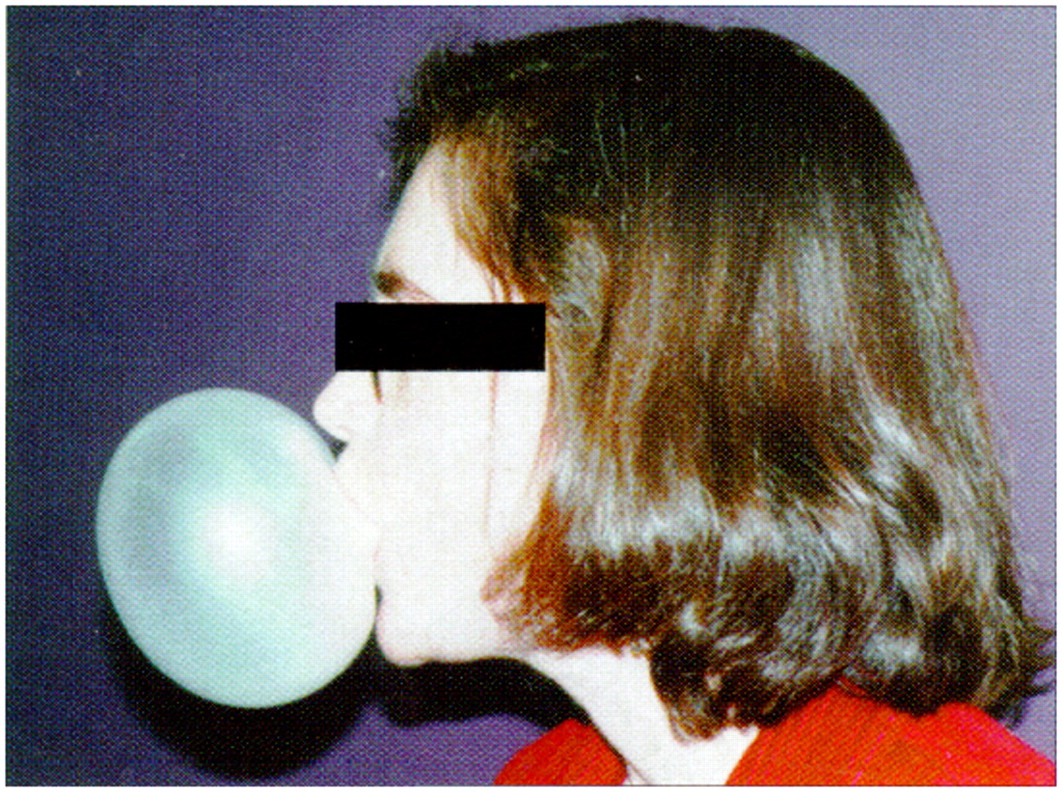

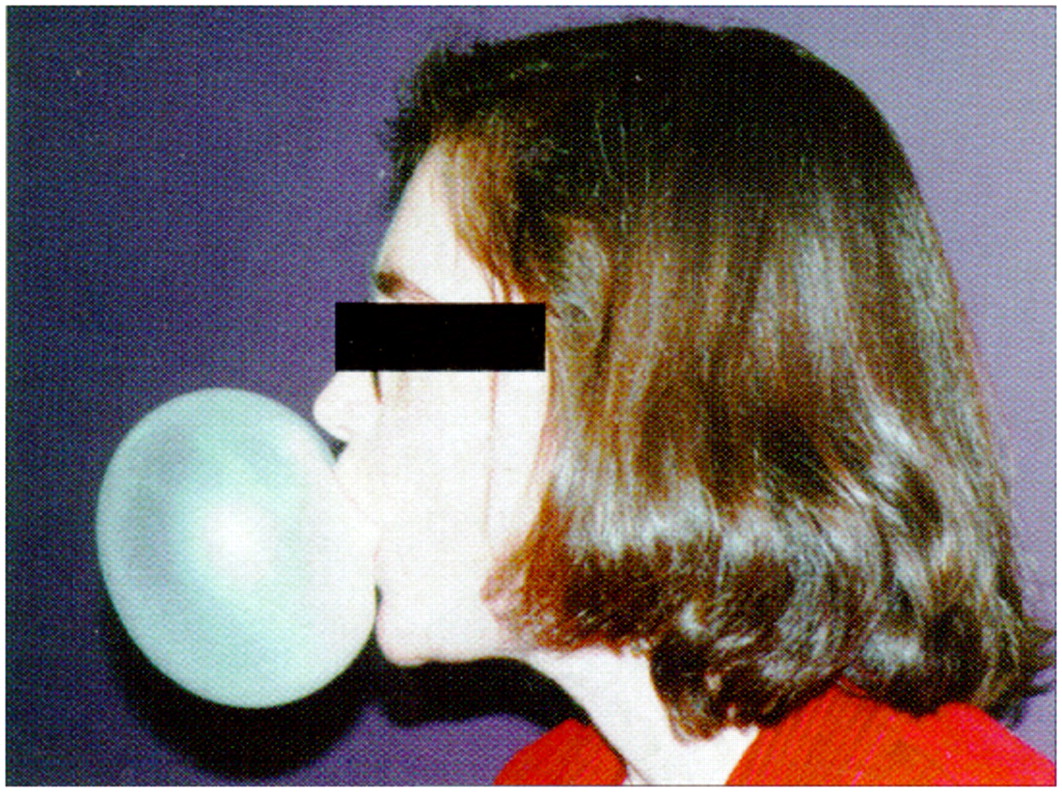
Fig. 2: Subject with (++++) positive 3C-BG test result.
The presence of a positive result means that the patient does not have a serious illness.
Pilot study
Six consecutive patients who presented with abdominal pain to our small emergency department in rural Newfoundland, and who were observed by the admitting nurse to be chewing bubble gum, agreed to participate. Two subjects were later excluded: one because, on closer inspection, he was discovered to be chewing tobacco and another because he was clicking his false teeth and did not actually have gum in his mouth. All eligible participants were subjected to routine history-taking and physical examination; laboratory tests and x-rays were ordered as the attending physician (G.W.) felt appropriate. During the history-taking, examination and laboratory testing, all patients were kept under observation, except when they were in the washroom (that's a different study altogether).
Of the 4 people eligible for the 3C-BG test, 2 were females and 2 were males. Their ages ranged from 6 to 36 years. All had great breath. We observed 1 chomper, 1 cracker and 2 bubble-blowers. None proved to have a serious abdominal illness. All complained that their bubble gum had lost its flavour.
If the 3C-BG test results were positive and the physical examination and laboratory tests gave negative results, the patients were reassured that a serious illness was unlikely. They were given symptomatic relief (and referral to a good dentist) and allowed to go home. All were informed that they should return if their abdominal pain did not settle or if they swallowed the gum, because the substance can "stick your insides together."4
Interpretation
We found that the 3C-BG test is a useful tool in determining whether a serious abdominal illness is present. In light of the evident use of bubble gum in providing a cheap and efficient diagnostic test for physicians, is there any evidence that it might cause harm? Gum base contains calcium carbonate, and it has been found to simulate abdominal calcifications when subjected to CT scan.5 One case of bubble-gum chewing causing an abdominal bezoar has been reported in the literature.6 When the gum being chewed contains the roots of the herb Atractylis gummifera, intoxication and severe hepatocellular lysis have been reported,7 but the chewing of commercial bubble gum has not had these effects. The only reported cases of gum-related toxicity concern the use of nicotine gum, which can cause agitation, lethargy, hypotension, abdominal pain and vomiting in small children within 30 minutes of ingestion.8 Other cases of near suffocation by large bubble bursts have also been reported.9
On the other hand, there is evidence that bubble gum can benefit those who use it. In Finland, the use of xylitol gum was associated with better dental health.10 Other studies have shown that patients with reflux can get relief from heartburn by chewing gum.11 Some claim that chewing gum is beneficial for mental health.12 Furthermore, gum chewing helps one to kiss longer, to decrease the unbearably high temperatures in one's mouth and to perform at Olympic gold medal standards in various sports.13
We have not proposed any hypotheses regarding the relation between the 4 positive levels of the 3C-BG test and complaints of abdominal pain. It was noted, however, that the subject found to be a gum chomper rated his pain a "6," whereas the person who cracked her bubble gum rated hers a "3." Perhaps there is a correlation between level of pain and type of gum chewer. Also, we cannot determine the causality of the relation between gum chewing and abdominal illness. Perhaps the act of chewing bubble gum cures serious abdominal illness? Could it also be that healthy people are more prone to chew bubble gum? Perhaps bubble-gum chewing causes the nonserious abdominal pain. Further study of bubble gum, including flavours, consistencies, brand names and length of chewing time, is required.
In conclusion, given the high proportion of patients who are chewing bubble gum when they present to emergency departments, we recommend more widespread use of the 3C-BG test. At the very least, with their mouths full of bubble gum, patients will be less able to complain about their abdominal pain. Extra effort must be made to introduce this test in the emergency department and keep it off the streets (and the soles of our shoes).
Competing interests: The authors have been known to chew bubble gum and to blow bubbles for the fun of it. They did not receive any funding for their study from companies that manufacture chewing gum.
Acknowledgments
Use the CMAJ Classified pages to reach 60 000 physicians with your message
Call 800 663-7336 or 613 731-9331 ×2127/2314
In this issue
Article tools


Jump to section
Related Articles
Cited By...
More in this TOC Section
Similar Articles