


A 35-year-old man with chronic schizophrenia was living alone in an apartment with support from family members. He had previously attempted suicide by jumping in front of a subway train, which resulted in injuries requiring bilateral above-knee amputations. His family was recently unable to contact him for days. Paramedics were called, and he was found lying semi-prone on the floor of his locked bathroom alive but unresponsive. The handle of a knife was protruding from his left orbit. On arrival at hospital his Glasgow Coma Scale score was 7; he remained unresponsive to verbal commands, withdrew his right arm from pain, and had total paralysis of his left arm.
Skull radiographs (Figs. 1A and B) showed an intact 22-cm butter knife extending through the medial left orbital roof and crossing the midline of his brain to the right. The knife was removed. A CT scan (Fig. 2) showed a large right intracerebral hematoma (black arrow) compressing the right internal capsule (white arrowhead pointing to the left internal capsule). The patient was taken to the operating room, where the intracerebral clot was evacuated and the dural tear patched. Unfortunately, hyponatremia developed as a result of uncontrollable SIADH (syndrome of inappropriate secretion of antidiuretic hormone), and he died 3 days later.

Figure 2. Photo: Courtesy: Dr. Mario Chui

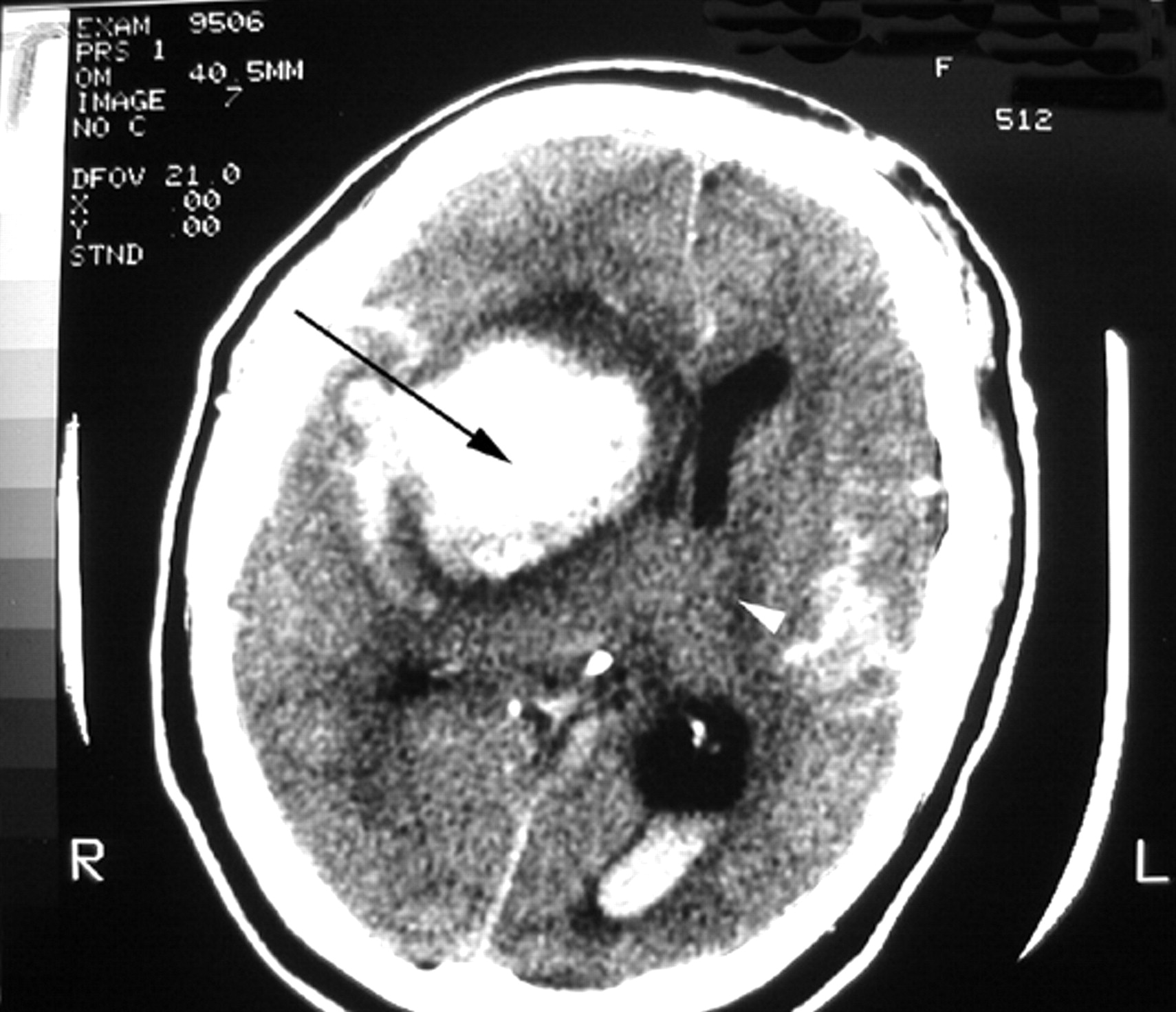
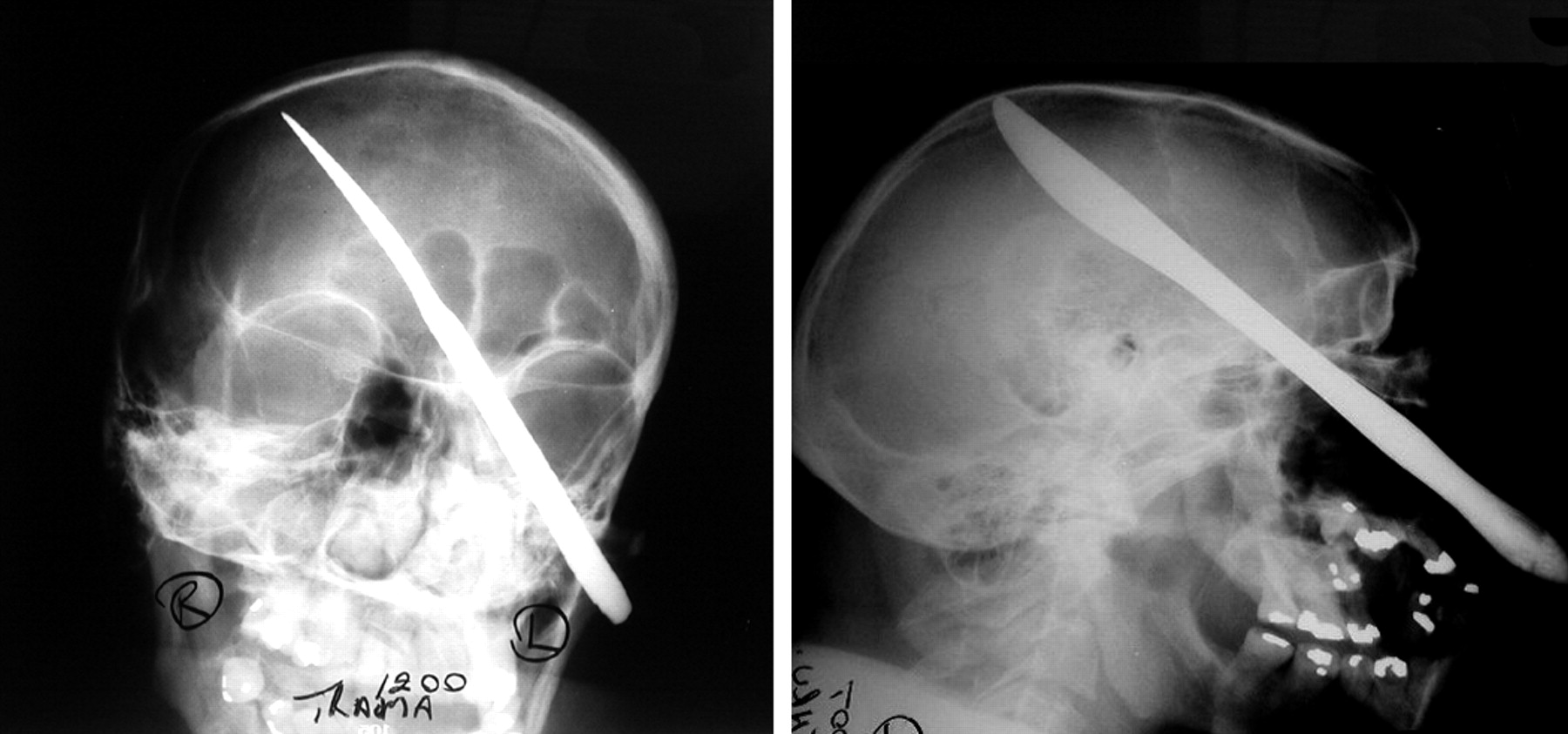
Figure 1. Photo: Images courtesy Dr. Mario Chui
Suicide is often described as a hidden epidemic,1 being prevalent but shrouded in societal taboos. Recent data show the rate of suicide in Canada to be 12.3 per 100 000 population,1 and populations at increased risk include Aboriginal people, specific age groups (youth and elderly people), prisoners, and people who have previously attempted suicide.1 More than 90% of suicide victims have a diagnosable psychiatric illness.2
In the United States, firearms are the most common means of suicide, with drug overdoses and hanging being the second most common causes among women and men respectively.3 Suicide by self-inflicted knife wounds is far less common, and stab wounds to the head are rarely successful because the skull is difficult to penetrate except in the area of the orbit. Transorbital stab wounds to the brain can result in visual problems, carotid vascular injuries, hemorrhage and infection.4 Our patient was doubly unfortunate: in addition to penetrating a vulnerable area of the skull, he developed a large right-sided hematoma that compressed the right corticospinal tract, which in turn probably caused instantaneous left hemiplegia (but left his right hand, which was holding the knife, unaffected). If the knife had not crossed the brain's midline and the hematoma had occurred on the left side, the patient's attempt might not have been successful.
Suicide is the most common cause of death among people with schizophrenia.5,6 An estimated 50% of people who commit suicide consulted a physician in the month before their death,1,7 which suggests that opportunities for suicide prevention may be overlooked by health care providers. This case serves as a reminder of the often-violent nature of suicide and of the need to recognize people at risk and intervene when possible to avert such tragedies.
Mario Chui* Lyne Noël de Tilly* Rick Moulton† Darian Chui* Departments of *Medical Imaging and †Surgery (Neurosurgery) St. Michael's Hospital University of Toronto Toronto, Ont.
In this issue
Article tools


Jump to section
Related Articles
Cited By...
- No citing articles found.
More in this TOC Section
Similar Articles
Collections